September 23, 2026
What's Changing in Pediatric Dentistry, and How I'm Adjusting My Chairside Routine
By Brandice Allen
A Different Kind Of First Visit
Five years ago, a first appointment with a toddler followed a pretty predictable script. Count the teeth, check for decay, talk to the parent about brushing, done in fifteen minutes. That script still matters, but it's not enough anymore. More of what I do now happens before a cavity ever shows up, and more of it involves the whole family, not just the kid in the chair.
I want to walk through what's actually shifting in this field and what I've changed about how I practice because of it.
Parents Are Arriving With More Information, And More Confusion
Ten years ago, most parents asked me what to do. Now they ask me to confirm or correct something they already read. That's a real change, and it's mostly a good one. The problem is that a lot of what they've read is out of date or was written for a different situation than the one in front of me.
So my job during a visit has shifted. I spend less time delivering information from scratch and more time sorting through what a parent already believes. I ask what they've heard before I explain anything. It saves time, and it means I'm actually addressing the thing they're worried about instead of a generic version of it.
Prevention Is Getting More Specific, Not Just More Emphasized
Everyone in dentistry says prevention matters. That's not new. What's new is how specific the tools for it have gotten. Fluoride varnish, sealants, and risk assessment based on a child's actual diet and habits let me build a plan that's different for two kids who look the same on paper.
I used to give a version of the same advice to most families: brush twice, floss, cut back on juice. Now I try to figure out what's actually driving risk for a specific child before I say anything. A kid who snacks constantly needs a different conversation than a kid who has one soda a day but doesn't brush before bed. Treating those the same wastes the appointment.
The Anxiety Piece Is Getting Real Attention
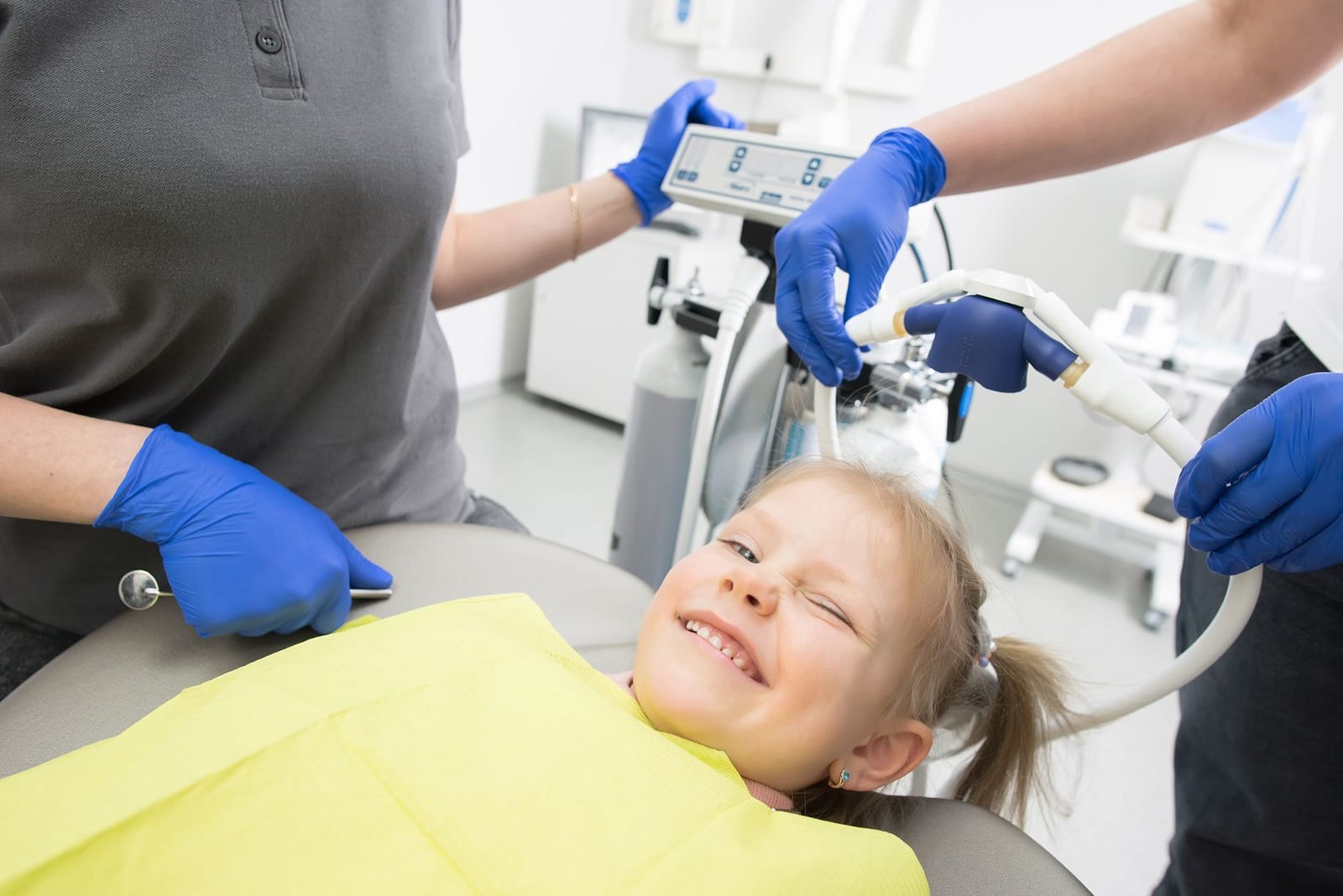
For a long time, managing a nervous child was treated as a bedside manner issue, something a dentist either had a knack for or didn't. That's changing. There's more structure now around how to walk a child through a first exam, how to pace it, and when to stop and try again another day rather than push through.
I've gotten more deliberate about this myself. I don't assume a child who cried at the last visit will cry at this one, and I don't assume a calm kid will stay calm through every step. I check in more than I used to, even mid-procedure. It slows things down a little. It also means fewer kids leave dreading the next visit, which matters more for their long-term care than getting through one appointment quickly.
What I'm Doing Differently Because Of All This
A few concrete changes:
- I ask more questions before I explain anything, instead of leading with information.
- I build risk-specific plans instead of a general set of instructions for every family.
- I check in with kids more often during a visit, not just at the start.
- I spend more time on the "why" behind a recommendation, since parents are more likely to follow something they understand than something they were just told.
None of this is complicated. It's mostly about matching the pace of the conversation to how much more informed, and how much more anxious, families have become. The clinical tools have improved. The bigger shift is in how much explanation and reassurance the appointment now has to carry alongside the exam itself.
Where This Is Headed
I expect the specificity to keep increasing. Broad advice for average kids is going to keep giving way to plans built around one child's actual risk factors and one family's actual routine. That takes longer per visit than the old script did. I think it's worth it. A fifteen-minute appointment that covers the basics is fine. A slightly longer one that actually fits the kid in the chair is better, and it's the direction I'd rather be moving in.