August 25, 2026
How a Pediatric Dental Visit Really Works: What Dr. Brandice Allen Wants Parents to Know
By Brandice Allen
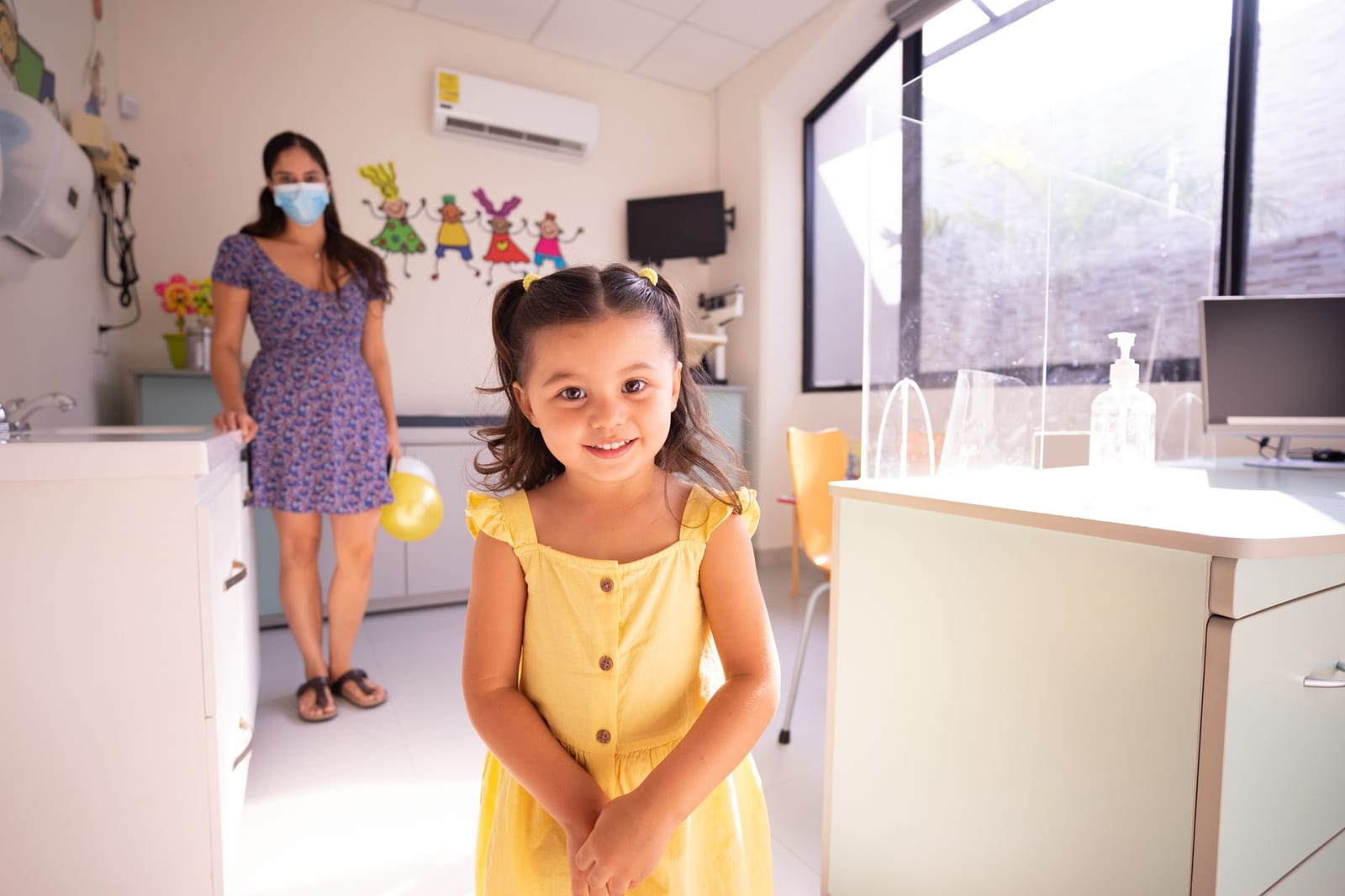
I've been a pediatric dentist for years, and one thing hasn't changed: parents arrive for that first appointment not quite sure what to expect. They know their child needs to see a dentist, but the process itself feels like a mystery. I trained at the University of Tennessee's pediatric dental residency program and have worked with thousands of families since. What I've learned is that when parents understand the flow of a visit, everyone relaxes. The child picks up on that calm, and we get better outcomes.
This piece walks through what actually happens during a pediatric dental appointment, from the moment you check in to the moment you leave.
Before the appointment
We ask parents to fill out a health history form ahead of time. This isn't busywork. I need to know about allergies, medications, and any medical conditions that might affect treatment. If a child has asthma or a heart condition, that changes how we approach certain procedures.
Bring a list of current medications, including over-the-counter ones. Bring your insurance card. If your child has a comfort item, a stuffed animal or a favorite blanket, bring that too.
Arrive ten minutes early. Rushing in late means everyone starts stressed, and that sets the wrong tone.
What happens in the waiting room
Our office, like most pediatric practices, has toys and books in the waiting area. This isn't decoration. It's part of the visit. A child who spends a few minutes playing in a space that feels safe starts to associate the dental office with something other than fear.
Some parents ask whether they should prep their child at home with lots of detail about what will happen. I tell them to keep it simple. "We're going to count your teeth and make sure they're healthy" works better than a long explanation that builds anticipation and anxiety.
The first few minutes in the treatment room
I greet the child at their level. I sit or kneel so we're making eye contact as equals, not with me looming over them. I ask their name, their age, and something easy like their favorite color or what they had for breakfast. This isn't small talk. I'm watching how they respond, how comfortable they are with a stranger, and how much support they'll need.
Parents often ask whether they should stay in the room. For very young children, I want a parent close by. For older kids, sometimes they do better without a parent hovering. I read the situation and make a call.
The examination itself
I start with a visual exam. I'm looking at the teeth, the gums, the tongue, the roof of the mouth, and the soft tissues. I'm checking for cavities, alignment issues, and signs of grinding or trauma. I'm also watching how the child tolerates having someone look in their mouth.
If the child is cooperative, we take X-rays. These help me see between the teeth and below the gumline, where cavities often start. For young children, we use smaller sensors and faster imaging to make the process quick.
I count the teeth out loud. Kids like this part. It turns the exam into something interactive rather than something done to them.
Cleaning and fluoride
The hygienist or I will clean the teeth with a rotating brush and a polishing paste. It tickles, and some kids giggle through it. Others don't love the sensation, but it's over fast.
We finish with a fluoride treatment. This strengthens the enamel and helps prevent cavities. It's a gel or varnish that we paint on, and the child needs to avoid eating or drinking for thirty minutes afterward.
Talking to parents
Once the exam and cleaning are done, I sit down with the parent and go through what I found. If everything looks good, I say so. If I see early decay or alignment concerns, I explain what I saw, what it means, and what we should do next.
I don't sugarcoat, but I also don't catastrophize. Parents need honest information and a clear next step, not a lecture.
What makes a visit go well
Three things predict a smooth appointment. One, the parent stays calm. Kids read adult anxiety instantly. Two, the child has been to the dentist before, even if just for a quick look. Familiarity helps. Three, we move at the child's pace. I never force a child to sit still or open their mouth if they're panicking. We pause, we talk, we try again.
After the visit
We schedule the next appointment before you leave. Most kids should come back every six months. If there's active treatment needed, we book that separately and talk through the plan.
You'll leave with a new toothbrush, sometimes a sticker, and a clear sense of what to do at home. Brush twice a day, floss once the teeth start touching, and limit sugary snacks between meals.
A pediatric dental visit isn't complicated, but it works best when everyone knows the steps. I want parents to walk in confident and walk out with a plan. That's the goal every time.